Tweed vs. Tarot: Inside Dark Academia’s Great Divide—and Why the Genre Sounds Even Better in Your Headphones
Published on 2026-11-16 by The Long Book Club
Is Dark Academia a strict psychological thriller where the only monsters are human, or an occult playground of blood magic, silver bars, and secret societies? Explore the fierce debate splitting the genre's most devoted fans—and why 20+ hour audiobooks have become the ultimate medium for campus obsession.
Every year, right around the final week of October and the first frost of November, a predictable ritual takes place across the internet.
The clocks fall back. Rain begins to slant against commuter train windows. And millions of readers suddenly feel an inexplicable urge to wrap themselves in heavy wool, brew a pot of Earl Grey, and spend twenty hours locked inside a gothic library where a small clique of over-educated twenty-somethings is quietly covering up a homicide.
What began around 2015 on Tumblr’s *"studyblr"* mood boards—a nostalgic collage of Oxbridge spires, Penguin Classics, candlelit desks, and frames from *Dead Poets Society*—has matured into one of the most durable powerhouse genres in modern publishing: Dark Academia.
Yet if you spend five minutes inside any dedicated Dark Academia forum on Reddit, Goodreads, or BookTok today, you will quickly stumble into a lively ideological civil war.
Recommendations rarely pass without a disclaimer: *"Warning: this is Fantasy DA, not True DA."*
Behind that disclaimer lies a fascinating tug-of-war between two distinct camps—The Purists and The Expansionists—over the very soul of the genre. And for audiobook listeners, both sides of that divide have produced some of the most hypnotic, credit-worthy 15-to-32-hour listens of the modern era.
---
## 1. The Anatomy of a November Obsession: Why Do We Crave Deadly Campuses?
Before we step into the debate between Purists and Expansionists, it is worth asking a simpler question: why does Dark Academia surge so reliably every autumn, long after most of us have left university behind?
Psychologists and cultural critics point to a potent cocktail of structured nostalgia and intellectual stakes:
* The Last Era of High-Stakes Intimacy: University is one of the few places in adult life where you live, eat, argue, and obsess alongside the same five people at two in the morning. Every philosophical disagreement feels like a matter of life and death. Dark Academia simply takes that emotional intensity and makes the life-and-death part literal. * Competence & Obsession: In an era of endless digital distraction, watching characters devote years to mastering ancient Greek, medieval palaeography, or classical Folio verse offers a strangely soothing fantasy of deep focus. * Academia Without the Debt: An audiobook lets you inhabit the cloisters of Oxford’s Bodleian Library, Yale’s Sterling Memorial, or a snowbound Vermont college for twenty hours—with zero tuition fees and no 9 a.m. exams.
---
## 2. The Purist Camp: "The Monsters Must Be Entirely Human"
For Purists, Dark Academia is not a fantasy aesthetic; it is a razor-sharp psychological subgenre anchored by a single sacred text: Donna Tartt’s 1992 masterpiece, The Secret History.
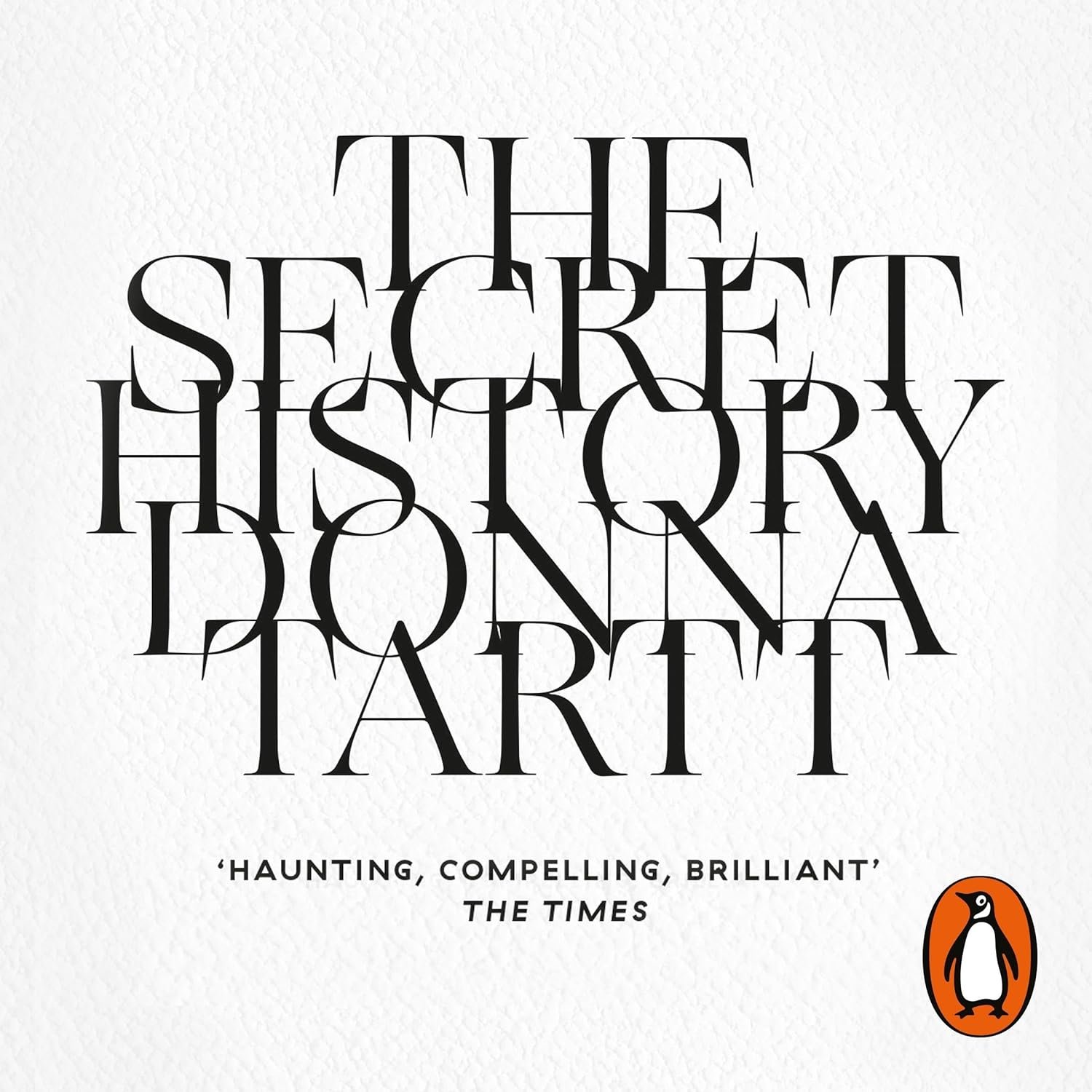
Set at the tiny, fictional Hampden College in Vermont, Tartt’s novel inverted the traditional whodunnit. She tells you on the very first page that Richard Papen and his five fellow Ancient Greek students murdered their classmate, Bunny Corcoran, in a snow-covered ravine. The remaining twenty-two hours are a slow-motion autopsy of *why*.
For listeners loyal to the Tartt blueprint, Strict Dark Academia must remain completely grounded in reality.
Why? Because to a Purist, introducing magic, curses, or demons provides a moral escape hatch. If a haunted book or a dark spell compels a student to kill, it dilutes the real horror at the heart of the genre: intellectual hubris, toxic privilege, and the terrifying ease with which clever people rationalise unforgivable acts.
### The Hallmarks of Purist Dark Academia on Audio
In the Purist canon, the tension comes from elitism, claustrophobia, and aesthetic obsession spiralling out of control:
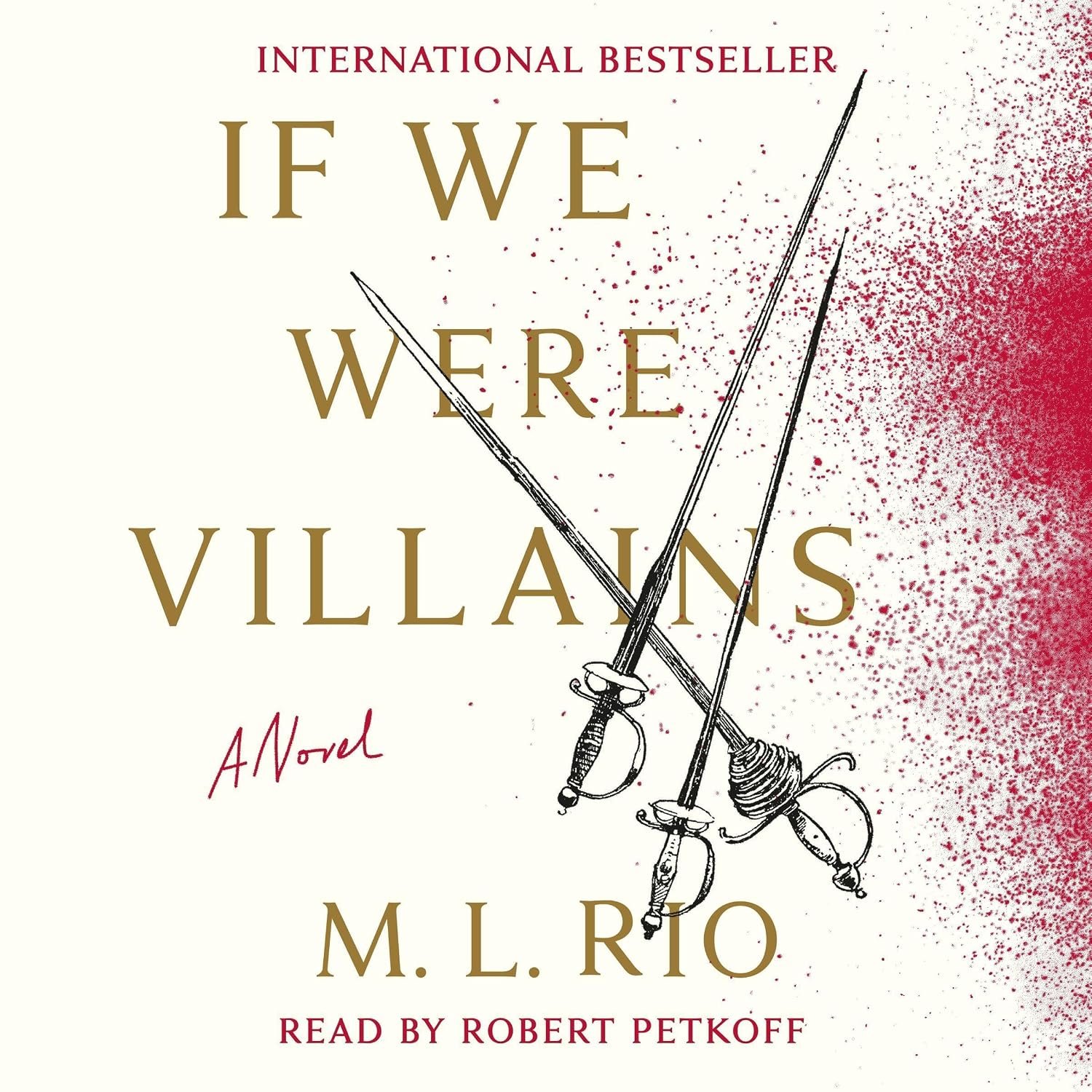
* The Unreliable Accomplice: In The Secret History (22h 4m), Donna Tartt narrates the audiobook herself. Her distinctive, Southern-inflected cadence turns Richard Papen’s nostalgia into an intimate, slightly haughty confession—as if a former classmate is pouring you a glass of scotch and convincing you that murder was merely an unfortunate translation error. * Theatrical Rivalry: In M. L. Rio’s If We Were Villains (12h 50m), seven fourth-year Shakespearean conservatory actors speak almost entirely in iambic pentameter until stage rivalries bleed into real violence. Narrator Robert Petkoff—himself a seasoned Shakespearean stage actor—delivers every line of *Julius Caesar*, *Macbeth*, and *King Lear* with electric theatrical precision.
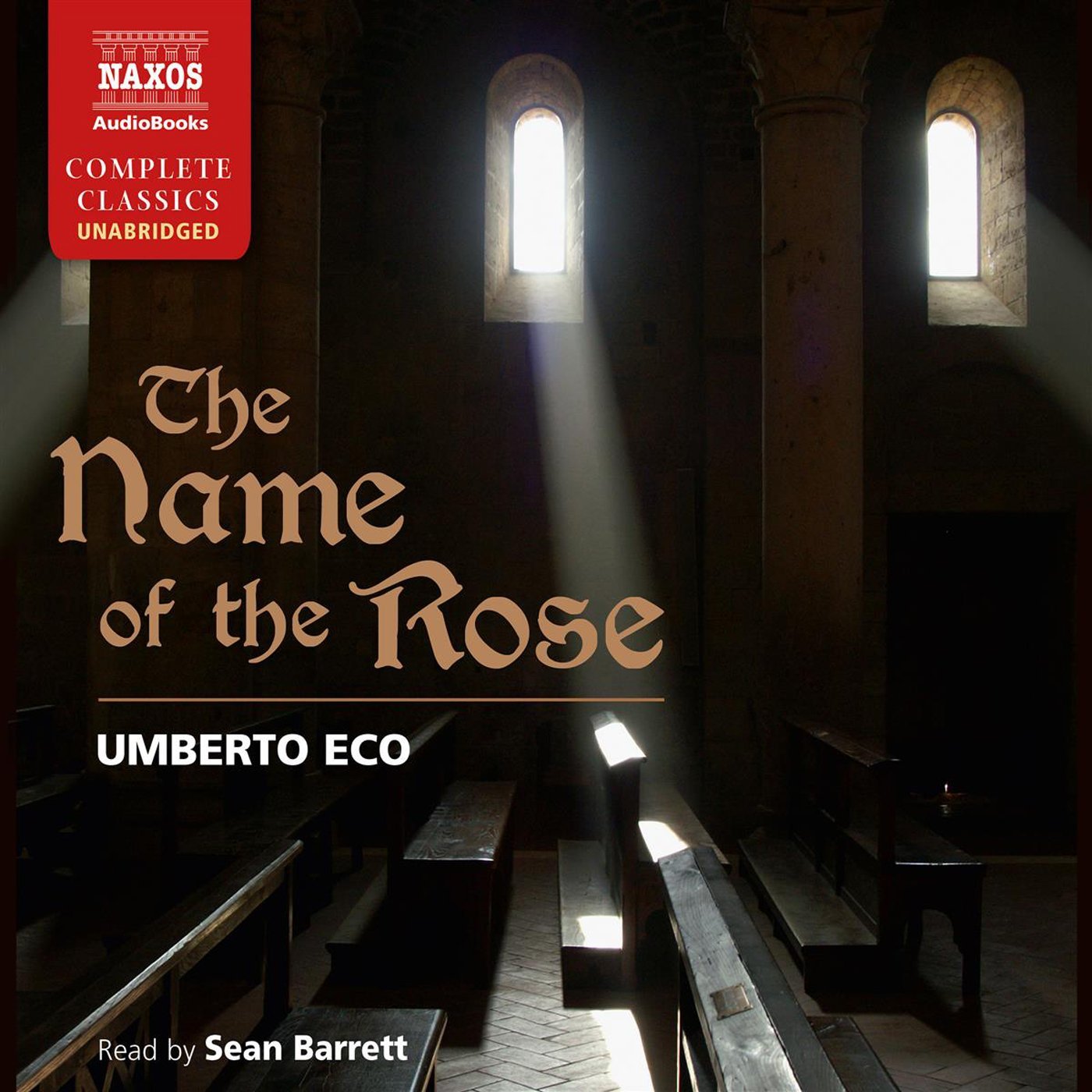
* Labyrinthine Scholarship: Long before Tumblr coined a name for the aesthetic, Umberto Eco wrote its medieval precursor in The Name of the Rose (21h 05m). In a 1327 Benedictine abbey, monks are dying with blackened fingers and blackened tongues to protect a forbidden treatise in Europe’s greatest labyrinthine library. Veteran narrator Sean Barrett brings a gravelly, candlelit authority to every theological duel.
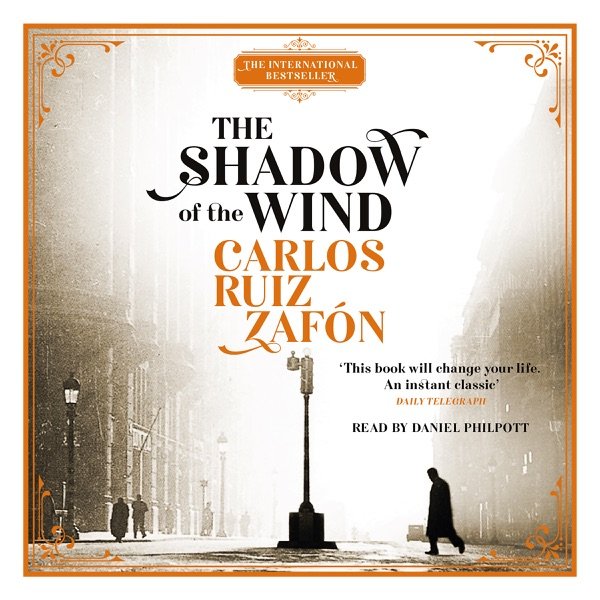
* Archival & Literary Obsession: Whether you are following young Daniel Sempere into a secret Barcelona labyrinth in Carlos Ruiz Zafón’s The Shadow of the Wind (17h 13m, narrated by Daniel Weyman) and its dark prequel The Angel’s Game (15h 24m, narrated by Dan Stevens), or tracing faded monastery letters across Eastern Europe in Elizabeth Kostova’s 26-hour archival thriller The Historian, Purist Dark Academia treats books themselves as objects worth dying for.
---
## 3. The Expansionist Camp: Magic as the Ultimate Metaphor for Power
Around 2020, a new generation of authors looked at the tweed-and-ivy aesthetic of classic Dark Academia and asked a pointed question:
*If elite universities already hoard wealth, gatekeep hidden knowledge, and reshape the world from behind closed doors—what happens when their Latin etymologies and secret society rituals actually alter physical reality?*
Enter The Expansionist Camp (Magical & Fantasy Dark Academia).
Expansionists argue that magic does not dilute the psychological critique of Dark Academia; it amplifies it. By turning translation, rhetoric, or blood sacrifice into a literal, rule-based power source, fantasy authors can expose the machinery of empire, class exploitation, and institutional corruption on an epic scale.
And because these novels must build both an insular academic culture *and* a complex supernatural framework, they naturally expand into the kind of 16-to-32-hour marathon listens that audiobook fans live for.
### Colonial Critique & Linguistic Magic: R.F. Kuang’s Babel & Katabasis No book did more to supercharge the Expansionist movement than R.F. Kuang’s Babel (21h 38m). Set in an alternate 1830s Oxford, the Royal Institute of Translation powers the British Empire through silver bars inscribed with "match-pairs"—words in two different languages whose subtle lost nuances manifest as physical force.
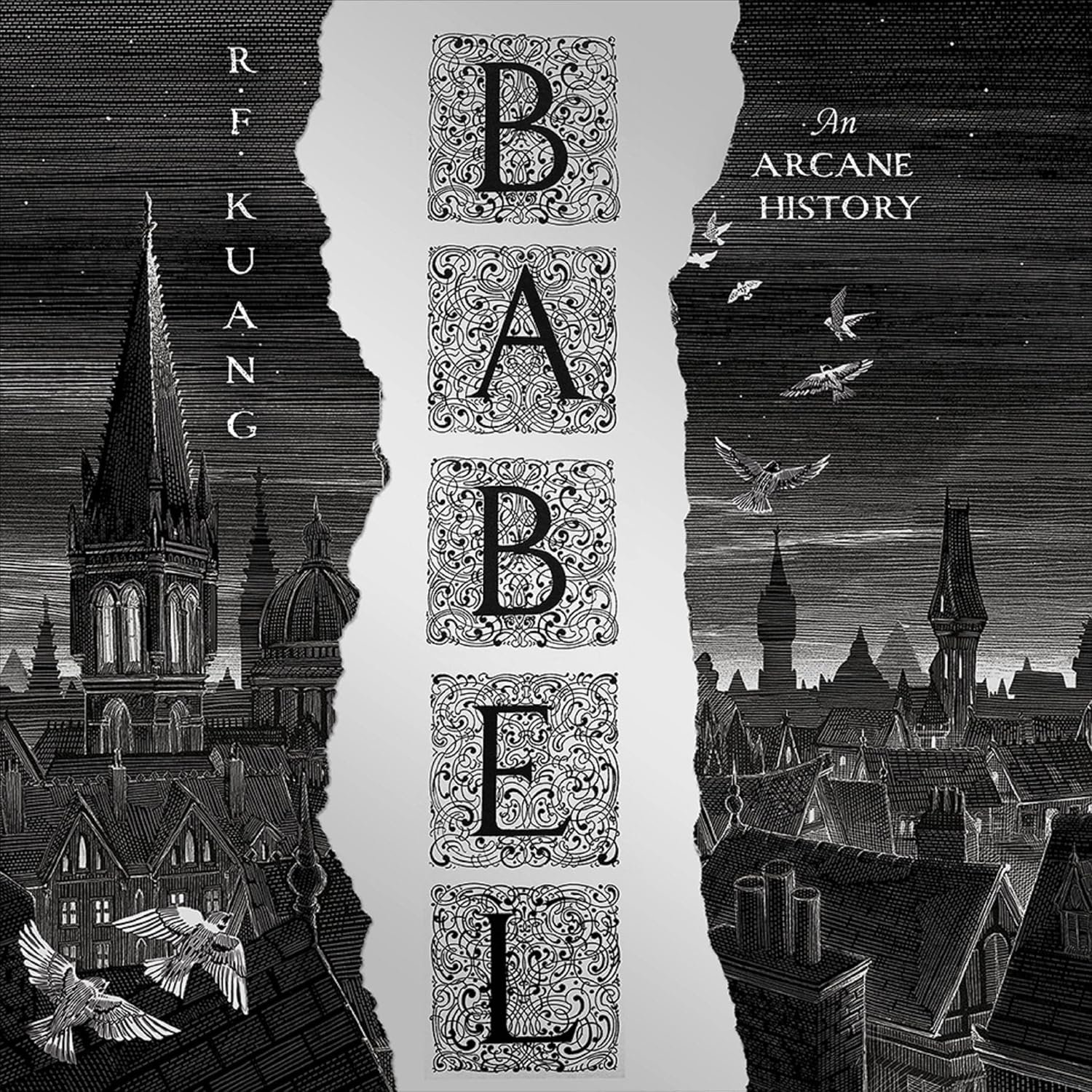
Where *The Secret History* romanticised the ivory tower, *Babel* interrogates who paid for the stone. Dual narrators Chris Lew Kum Hoi and Billie Fulford-Brown handle both the main narrative and Kuang’s razor-sharp academic footnotes with seamless precision.
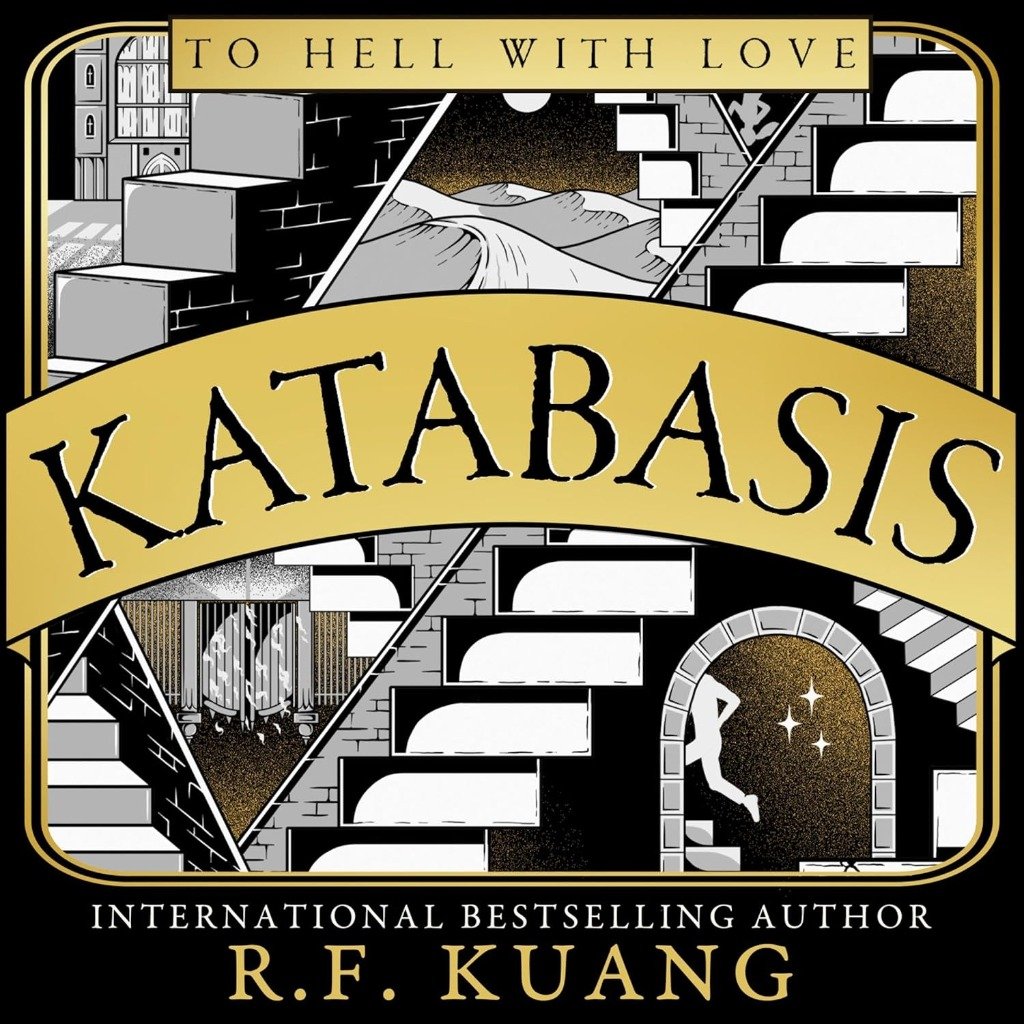
And in Kuang’s darkly hilarious 2025 follow-up Katabasis (18h 33m, narrated by Morag Sims and Will Watt), two rival Cambridge graduate students in Analytic Magick accidentally cause the death of their thesis advisor—and decide to hike straight into the eight courts of Hell to retrieve his soul because they still need his letter of recommendation.
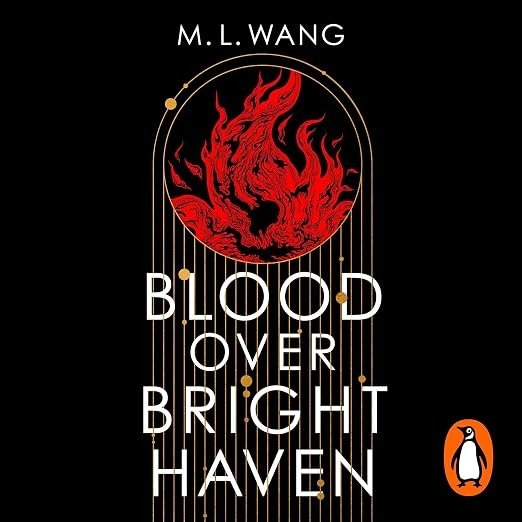
Sitting right alongside *Babel* in this high-stakes institutional tradition is M. L. Wang’s standalone triumph Blood Over Bright Haven (15h 21m). Narrated with razor-sharp intensity by Moira Quirk, it follows Sciona—the first woman admitted to the High Magistry at Tiran’s University of Magics and Industry—as she and her Kwen lab assistant discover the horrific human cost powering their city’s spellograph equations.
### Ivy League Occultism: Leigh Bardugo’s Alex Stern Trilogy What if Yale’s famous "tomb" societies—Skull and Bones, Scroll and Key, Book and Snake—weren't just networking clubs for future presidents, but occult syndicates performing blood divination on the New Haven green?

Across Ninth House (16h 21m), Hell Bent (16h 16m), and the 2026 continuation Dead Beat (15h 33m), Leigh Bardugo pits working-class survivor Galaxy "Alex" Stern against the most privileged magical fraternities in America. Narrators Lauren Fortgang and Michael David Axtell contrast Alex’s bruised grit with the patrician polish of her golden-boy mentor, Darlington.
### Cutthroat Ensemble Trials: The Atlas Six & The Will of the Many Another branch of Expansionist Dark Academia turns the campus into a lethal pressure cooker:
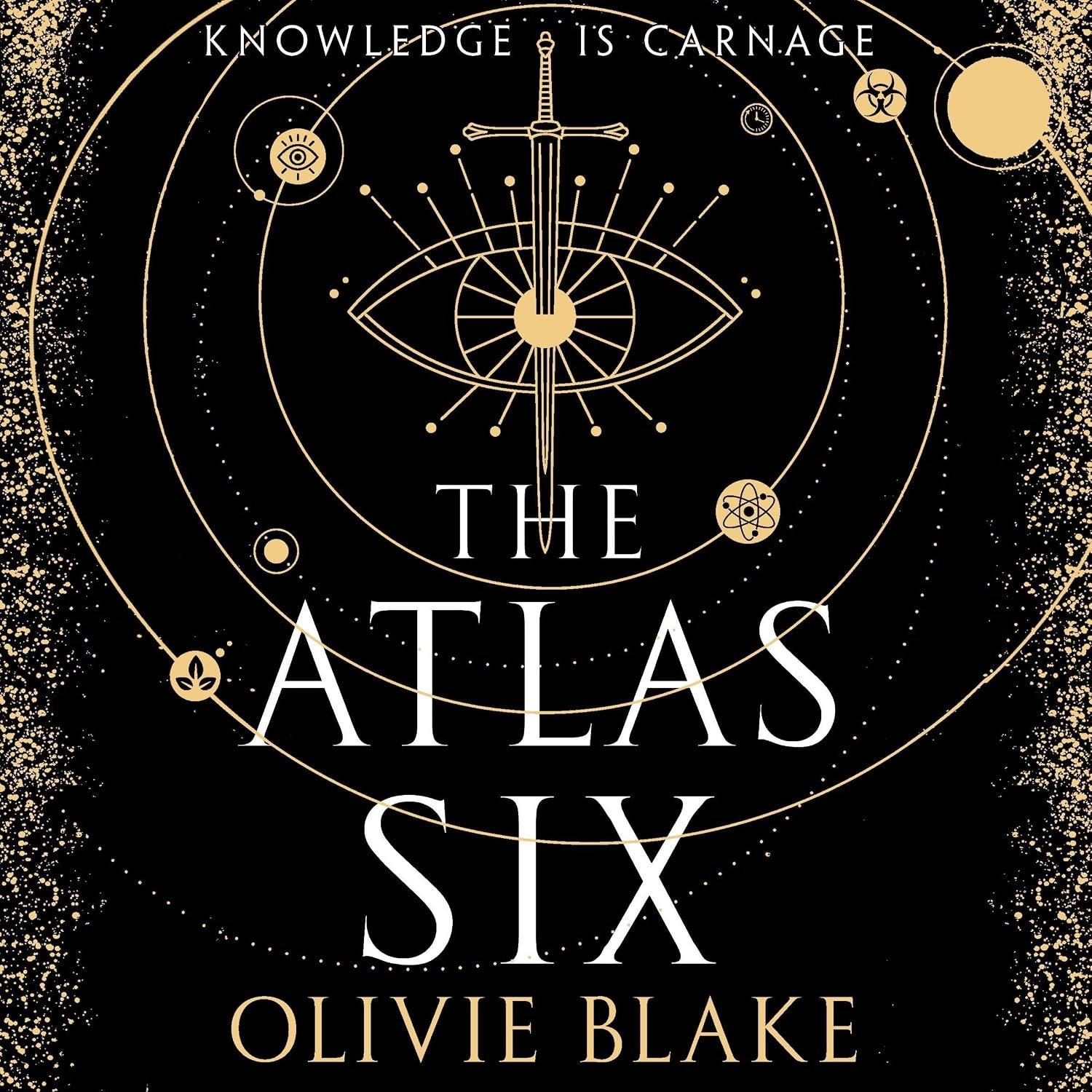
* Full-Cast Secret Society Warfare: In Olivie Blake’s The Atlas Six (16h 51m), The Atlas Paradox (17h 35m), and The Atlas Complex (20h 37m), six prodigies of physics, time, and telepathy are invited into the Alexandrian Society for one year—knowing only five will survive initiation. On audio, a full ensemble cast led by Steve West, Damian Lynch, and Caitlin Kelly voices each candidate’s interior scheming.
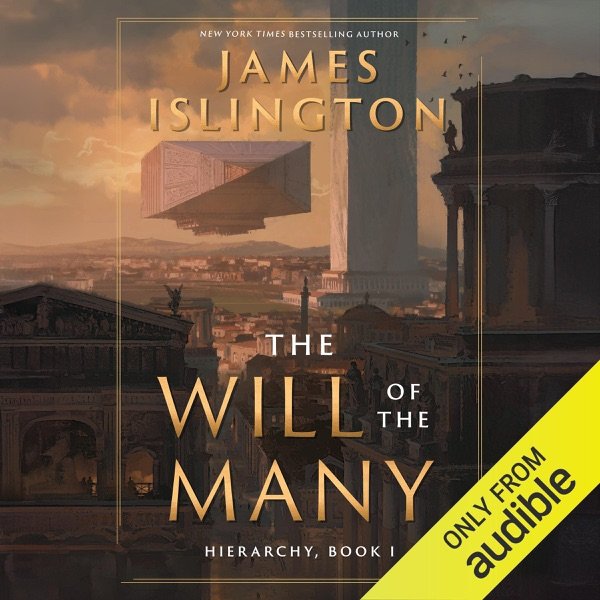
* Roman-Coded Academy Survival: In James Islington’s 28-hour The Will of the Many and its 31-hour sequel The Strength of the Few, fugitive prince Vis Telimus infiltrates the Catenan Academy, where lower castes literally cede their physical strength and intellect upward to patrician rulers. Euan Morton’s aristocratic narration turns every seminar test and labyrinth run into a pulse-pounding thriller.
### Deep Archival Fantasy: From Oxford’s Bodleian to Regency Footnotes For listeners who want their magical academia steeped in real historical scholarship, Expansionist audio offers true marathon titans:
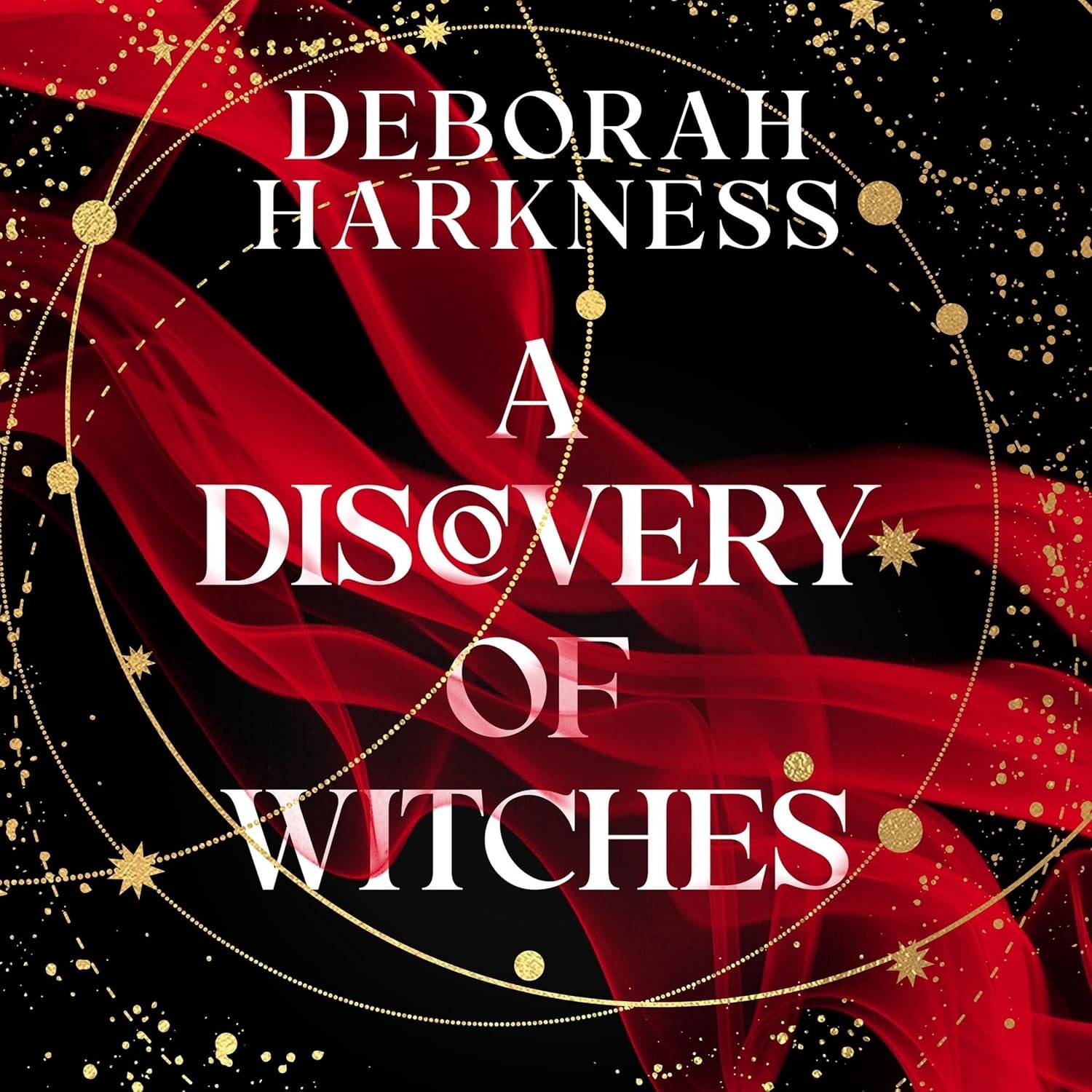
* Oxford Alchemy & Manuscripts: Historian Deborah Harkness’s *All Souls* saga—launching with A Discovery of Witches (23h 59m) and continuing through Shadow of Night (24h 50m), The Book of Life (23h 30m), and The Black Bird Oracle (17h 30m)—begins with a bewitched alchemical manuscript called up from the stacks of Oxford’s Bodleian Library, brought to life by Jennifer Ikeda’s poised narration.
* 30+ Hour Scholarly Epics: Patrick Rothfuss’s The Name of the Wind (28h) and The Wise Man’s Fear (42h 49m, narrated in the UK by Rupert Degas) turn student tuition debt and Sympathy thermodynamics at the University into legendary storytelling, while Susanna Clarke’s Jonathan Strange & Mr Norrell (32h 30m, narrated by Simon Prebble) transforms hundreds of dry Regency footnotes into hypnotic faerie history.
### The New Wave: Vampire Bloodlines & Faculty-Side Survival The newest wave of Expansionist Dark Academia is pushing the subgenre in two thrilling directions—breaking out of Eurocentric cloisters and flipping the classroom hierarchy upside down:
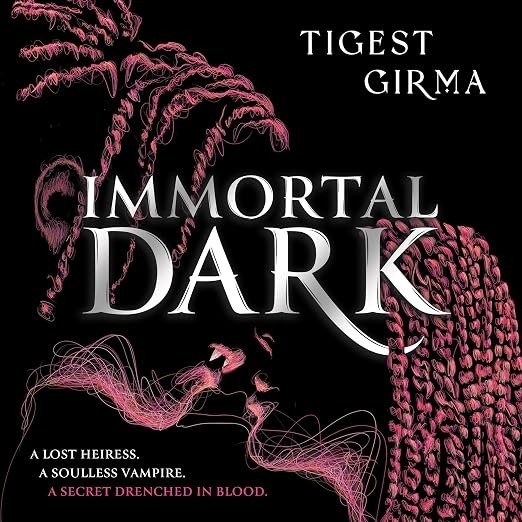
* Vampire House Politics at Uxlay University: In Tigest Girma’s brooding breakout Immortal Dark (17h 01m, narrated by Jordan Cobb), orphaned heiress Kidan Adane infiltrates an elite, Ethiopian-inspired university where human bloodlines are bound to immortal vampires—entering a lethal enemies-to-lovers alliance with the cruel Susenyos Sagad. The saga expands to a five-narrator ensemble in Book 2, Eternal Ruin (21h 21m), with Book 3 (*Infernal Vow*) of the *Immortal Dark* trilogy set to release on 7th January 2027.
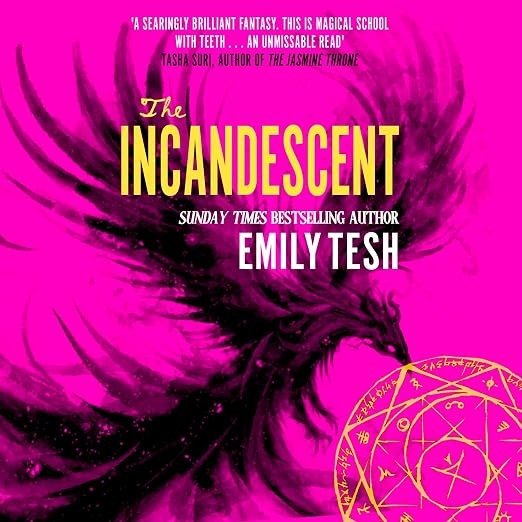
* Dark Academia From the Faculty Desk: Instead of following a naive freshman, Hugo Award winner Emily Tesh’s The Incandescent (12h 26m, narrated by Zara Ramm) follows Dr. Saffy Walden, the overworked Director of Magic at Chetwood Academy—an English boarding school where keeping six hundred teenagers from being eaten by summoned demons is just part of the daily admin.
---
## 4. Why Dark Academia Sounds Even Better in Headphones Than in Print
Whether you lean Purist or Expansionist, Dark Academia has a secret advantage in the audiobook format that print readers rarely experience: acoustic intimacy.
* The Confession Box Effect: Almost every classic Dark Academia novel is structured as a first-person testimony, memoir, or archival letter written after a catastrophe. When Richard Papen, Oliver Marks, or Adso of Melk speaks directly into your headphones during an evening walk in the rain, the narrator isn't just reading prose—they are making you an accomplice. * Dead Languages & Theatrical Cadence: On the printed page, Latin epigraphs, Ancient Greek idioms, French translation match-pairs, and Shakespearean blank verse can slow the eye down. In the hands of vocal masters like Robert Petkoff, Sean Barrett, or Chris Lew Kum Hoi, those passages become musical texture. * The Footnote Solution: Books like *Babel* and *Jonathan Strange & Mr Norrell* are famous for their sprawling scholarly footnotes. Instead of breaking your reading flow by flipping to the bottom of a page, dual narrators and seasoned voice actors weave those annotations seamlessly into the performance.
---
## Which Camp Gets Your Next Credit?
The beauty of the Purist vs. Expansionist debate is that you never actually have to choose just one side. Some rainy weeks call for the razor-sharp psychological realism of five classics students in Vermont; others call for descending into the courts of Hell with a piece of Cambridge chalk.
We have newly reorganised our complete Long, Atmospheric Dark Academia Audiobooks collection into both camps—featuring Book 1 entry points for every major series alongside standalone classics—and expanded our Dark Academia Genre Hub with the full 27-book catalogue.
Pour a coffee, put on your headphones, and step into the stacks.